

Sober living facilities are crucial for individuals transitioning from addiction treatment to independent living. In sober living in Los Angeles, these homes provide a structured environment where residents can focus on their recovery. They often feature communal living arrangements that foster a sense of community and support. Residents can benefit from house meetings, group therapy sessions, and activities designed to build social skills and accountability.
This supportive environment is particularly vital for LGBTQ individuals, who may face unique challenges during their recovery journey. By providing a safe space, these facilities help residents develop the tools they need to maintain sobriety and build meaningful connections.
The Importance of LGBTQ-Friendly Resources
Finding LGBTQ-friendly resources is essential for those in recovery. Many addiction treatment centers in Los Angeles specialize in providing care tailored to LGBTQ individuals, ensuring their unique experiences and needs are understood and addressed. Facilities that prioritize inclusivity create environments where residents can feel safe expressing themselves without fear of judgment. These homes often incorporate treatment programs that focus on mental health services, support groups, and community-building activities that resonate with the LGBTQ community. Accessing these resources not only enhances recovery but also fosters a sense of belonging and acceptance among residents.
Tailored Treatment Programs for Success
When seeking a sober living facility, it’s important to find one that offers personalized treatment programs. Many sober living los angeles homes collaborate with local addiction treatment centers to provide comprehensive care that includes evidence-based therapies and mental health treatment.
These programs can range from experiential therapy to outpatient programs, allowing residents to choose options that best fit their needs. Tailored treatment plans help address underlying issues related to substance use disorders, ensuring a more effective recovery journey. By focusing on individual strengths and challenges, these programs empower residents to make lasting changes in their lives.
Building a Supportive Community
A strong community can significantly impact recovery success. Sober living homes in Los Angeles often emphasize the importance of building relationships among residents. Many facilities host group activities, such as cooking classes, game nights, and outdoor adventures, which encourage socialization and teamwork.
This therapy approach helps individuals feel connected and supported, reducing feelings of isolation that can accompany addiction. By fostering an inclusive environment, these homes enable residents to share their experiences and learn from one another, making the recovery journey less daunting and more rewarding.
Exploring Sober Living Facility Near Me in Los Angeles
Los Angeles offers a wealth of resources for those seeking recovery from substance use disorders. From addiction treatment centers to mental health services, individuals can find various options tailored to their needs. Many sober living facilities work closely with local rehab centers to ensure residents have access to ongoing support and therapy. Whether you’re searching for a sober living facility near me or need assistance with mental health treatment, LA provides numerous avenues for support. By leveraging these resources, individuals can enhance their recovery experience and build a solid foundation for a healthier future.
Finding the Right Fit: What to Look For
Choosing the right sober living facility is a vital step in your recovery journey. When looking for a sober living facility los angeles, consider factors such as the facility’s culture, available programs, and staff experience. It’s essential to find a place that aligns with your values and offers a supportive environment. Researching reviews, visiting facilities, and speaking with current residents can help you make an informed decision. Additionally, inquire about the facility’s policies, activities, and how they cater to the LGBTQ community to ensure you find the best fit for your needs.
Seeking Professional Support
Incorporating professional support into your recovery plan can enhance your chances of success. Many sober living homes partner with addiction treatment centers in Los Angeles to provide residents with access to ongoing therapy and support services. This collaboration allows individuals to receive a comprehensive care plan that addresses both substance use and mental health needs. Whether you require outpatient programs or specialized treatment options, having professional guidance can help you navigate the complexities of recovery. By engaging in these services, you’ll be better equipped to face challenges and achieve your recovery goals.
In summary, finding the right supportive environment is essential for recovery, especially in the LGBTQ community. There are many options for sober living los angeles that prioritize acceptance and understanding, helping individuals thrive in their journey.
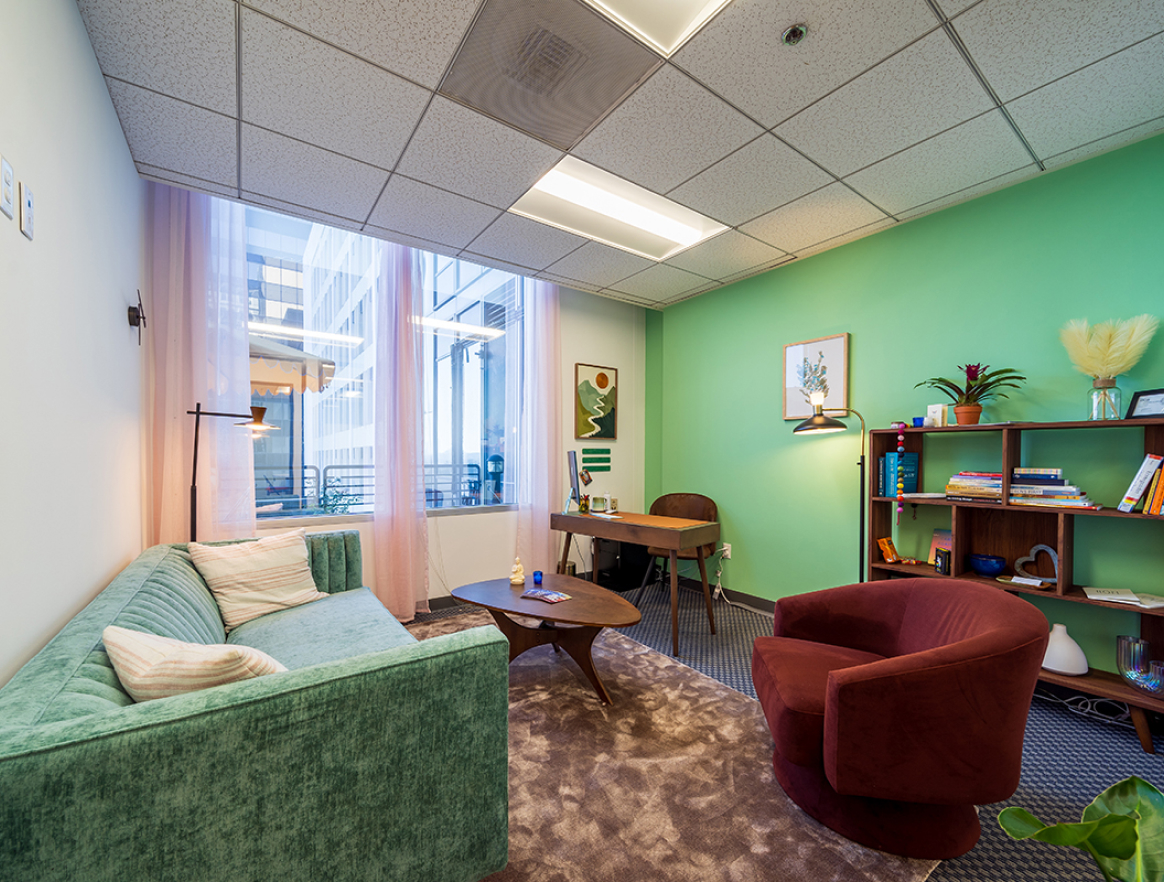
Facilities like Rainbow Hill Recovery offer tailored programs and a welcoming atmosphere that promote healing and community. By choosing the right sober living home, you can gain valuable support and resources to enhance your recovery experience. If you or a loved one is ready to take the next step, call us for more information on the best options available in Los Angeles.


